
Food Service Packaging Solutions for Takeout: Matching Material Choice to Menu Type
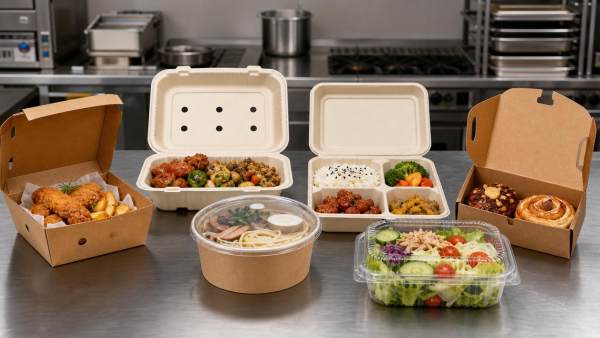
Choosing the right food service packaging solutions for takeout is not just about cost or appearance. It affects texture, temperature, leakage control, stacking safety, and how the meal feels when it reaches the table.
When menus include fried items, soups, rice bowls, sauces, bakery products, and chilled drinks, one packaging format rarely works for all. Material choice has to match the food, the route, and the service speed.
That is where practical food service packaging solutions matter. The best results usually come from matching paperboard, molded fiber, corrugated support, coatings, lid fit, and venting to the actual menu type.
Across PPMS coverage, this packaging logic also connects back to production reality. Paper quality, converting accuracy, forming consistency, and sealing performance all shape how a pack behaves in real takeaway use.
Start with the food, not the container
A quick menu review saves a lot of waste. Before selecting any pack, check oil level, moisture release, serving temperature, travel time, stacking load, and whether the food is eaten directly from the container.
[Image 01: Takeout packaging materials matched with soups, fried foods, rice bowls, salads, and bakery items]
Good food service packaging solutions are usually built around performance questions. Will steam escape? Will grease soak through? Will the lid stay locked after ten minutes in transit? Those checks matter more than appearance alone.
What to match first
- Match dry, crispy foods with vented paperboard or molded fiber packs that release steam fast, helping reduce sogginess while keeping the structure stable during short delivery trips.
- Use leak-sensitive meals with tighter lid systems, better rim compression, and stronger base stiffness, especially when sauces, broths, or oily toppings move during transport.
- Choose bowl-style formats for mixed meals eaten from the pack, because wider openings improve filling speed, topping visibility, and customer convenience without extra replating.
- Reserve corrugated outer support for heavier combinations, family meals, or multi-pack orders, where crush resistance and carrying stability become more important than direct food contact.
- Check hot and cold items separately, since condensation, heat loss, and coating behavior change quickly when one packaging material is forced to cover every menu category.
Best material choices by menu type
Fried foods and snacks
Fries, fried chicken, onion rings, and breaded snacks release heat and moisture at the same time. If the container is too sealed, crispness drops fast. If it is too light, grease marks and bottom softening show up early.
For these items, food service packaging solutions usually work best with vented paperboard clamshells, grease-resistant kraft structures, or molded fiber trays with breathable lids.
- Use vented formats for fried foods, because controlled airflow helps release steam while the board or fiber body still protects shape and handling during pickup or delivery.
- Avoid deep, narrow packs for crispy snacks, since trapped moisture gathers quickly at the bottom and turns a fresh item soft before arrival.
Soups, noodles, and high-liquid meals
Liquid-heavy dishes need stronger sealing discipline. The common failure point is not only the cup wall. It is often the lid channel, rim tolerance, or weak stacking during transport.
This is where coating quality and forming precision matter. PPMS often highlights how converting consistency and pulp molding accuracy support packaging performance, not just production efficiency.
- Select rigid round containers with secure lid engagement for soups and noodles, especially when movement, reheating, or delayed consumption raises the risk of side leakage.
- Test broth items with real fill temperatures, because some paper-based coatings perform well when cool but soften or lose seal confidence under hotter conditions.
Rice bowls, meal boxes, and combo dishes
These meals often mix starch, protein, sauce, and vegetables in one pack. The container needs enough rigidity for carrying, enough barrier for sauces, and enough opening width for easy eating.
- Choose compartment or bowl-style paperboard packs for combo meals, so wet and dry components stay separated longer and presentation remains cleaner after transit.
- Use molded fiber bases when stronger structure is needed, especially for heavier portions where sidewall firmness helps prevent bending during handoff and stacked delivery.
Salads, cold foods, and desserts
Cold items need visibility, fresh appearance, and resistance to moisture from dressings or fruit. Overbuilt hot-food packaging usually adds cost without improving performance here.
- Use lighter paperboard or fiber formats for cold meals, but keep lids clear, tight, and easy to open so freshness and portion appeal remain visible.
A quick comparison for daily decisions
Operational points that often get missed
Many packaging problems start in daily handling, not in material selection alone. A strong pack can still fail if it is overfilled, closed too fast, or stacked before hot steam settles.
In practical food service packaging solutions, the line between packaging design and operating method is very thin. Small habits make a big difference.
- Leave proper headspace in liquid and sauced meals, because overfilling weakens lid seating and raises spill risk even when the container material itself is adequate.
- Do not seal hot food immediately after packing if steam is heavy, since trapped moisture can soften crisp textures and reduce board strength during travel.
- Check stacking weight in real orders, not single-pack samples, because multi-item compression often reveals weak corners, poor nesting, or unstable lid fit.
- Review how carriers hold the package, since handle pressure, tilt angle, and ride vibration can expose weaknesses that bench tests often miss.
Why packaging production quality matters
Reliable food service packaging solutions begin upstream. Board formation, moisture balance, die-cut precision, glue consistency, thermoforming stability, and rim accuracy all affect pack performance in service.
This is exactly why PPMS is useful as a technical reference point. It connects paper machinery, corrugated systems, carton converting, printing, and pulp molding technology with actual packaging-use results.
For example, better dewatering and drying control can improve board consistency. Cleaner die-cutting and folder gluer accuracy help lid closure. More stable pulp molding systems improve tray shape and stacking reliability.
That means packaging selection should not stop at catalog descriptions. It helps to understand how the pack was made, what fiber base it uses, and whether the converting process supports repeatable quality.
Simple evaluation points before switching formats
- Run short delivery tests with actual menu items, including sauces and full stacking weight, so packaging decisions reflect real use instead of empty sample performance.
- Compare failure points by menu type, such as leaks, soft bottoms, lid pop-off, or sogginess, because each issue points to a different material adjustment.
- Ask for information on fiber source, coating type, converting quality, and sustainability claims, especially when eco-packaging performance must also meet service expectations.
Matching sustainable goals with real service performance
Sustainability targets are now part of packaging decisions, but switching materials too quickly can create service problems. A package that looks eco-friendly but leaks or collapses usually increases waste, complaints, and repacking.
A better path is to evaluate recyclable paperboard, molded fiber, bagasse, or other plastic-free formats by actual menu performance first. Good sustainability only works when the pack still performs well in motion.
PPMS frequently follows these links between eco-packaging technology, plastic-ban substitution, pulp thermoforming, and production capability. That practical view helps separate marketing claims from usable packaging options.
Where to begin next
The most effective food service packaging solutions are usually not the most complicated. They come from matching one menu category at a time with the right barrier, shape, venting, and structural strength.
Start with the items that generate the most complaints or waste. Test those first under real travel conditions. Then compare results by leakage, crispness, temperature hold, stack stability, and ease of use.
When material choice is linked with packaging production quality, the result is more reliable takeout performance. That is the practical value behind strong food service packaging solutions and the wider machinery insight supported by PPMS.
Related Intelligence
- Plastic Ban & FSC ComplianceHow to Vet a Paper-Based Food Packaging Supplier in 7 ChecksPaper-based food packaging supplier vetting made practical: learn 7 essential checks to verify compliance, quality, lead times, and hidden costs before you buy.
- Plastic Ban & FSC ComplianceFood Service Packaging Trends Shaping Material Choices in 2026Food service packaging trends in 2026 are reshaping material choices across paper, fiber, and barrier formats. Explore what drives performance, compliance, and smarter packaging investment.
- Plastic Ban & FSC ComplianceSustainable Fiber Packaging for Ecommerce: Cost vs ProtectionSustainable fiber packaging for ecommerce: compare corrugated and molded fiber on cost, protection, automation, and returns to choose smarter, scalable packaging.
The Morning Broadsheet
Daily chemical briefings, market shifts, and peer-reviewed summaries delivered to your terminal.