
Anilox Roller Market Trends: Why Flexographic Printing Is Becoming More Precision-Driven
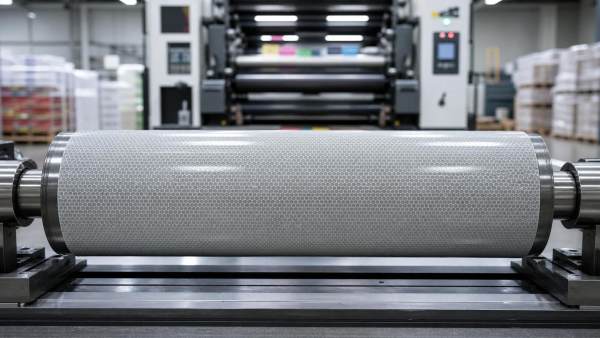
The global packaging and printing industry is changing quickly. Brand owners want sharper graphics, shorter delivery cycles, more sustainable packaging, and consistent color performance across multiple production batches. Packaging converters are under pressure to improve efficiency while reducing waste, downtime, and ink consumption. In this environment, the anilox roller has become one of the most important components in modern flexographic printing because it directly influences ink transfer, print consistency, color density, and production stability.
Flexographic printing has long been valued for its ability to print on paper, film, foil, labels, corrugated board, flexible packaging, cartons, and many other substrates. As demand for packaging grows across e-commerce, food and beverage, pharmaceuticals, personal care, logistics, and consumer goods, flexo printing continues to expand. However, the market is no longer driven only by print speed or press width. Today, converters are looking for better process control, finer graphics, lower defect rates, faster changeovers, and stronger compatibility with water-based, UV, and specialty inks.
This shift is pushing anilox roller quality into the spotlight. A flexographic press may include advanced drives, registration control, tension systems, and drying units, but if ink transfer is unstable, the final print result will suffer. The anilox roller acts as a controlled ink metering tool. Its cell volume, line screen, engraving quality, surface condition, and cleaning performance all affect how much ink reaches the plate and how consistently it transfers to the substrate.
Packaging Growth Is Driving Flexographic Printing Demand
The first major trend supporting the anilox roller market is the growth of packaging demand. E-commerce has increased the need for corrugated boxes, shipping labels, protective packaging, and printed logistics materials. Food delivery, frozen foods, ready-to-eat meals, beverages, cosmetics, household products, and healthcare goods also require flexible packaging and labels in large volumes.
Flexographic printing is well suited to these packaging applications because it can handle high-speed production and many substrate types. It is widely used for labels, folding cartons, flexible films, paper bags, corrugated packaging, and shrink sleeves. As packaging demand becomes more diverse, printing companies need equipment and components that can support both long production runs and frequent product changes.
Anilox rollers are central to this flexibility. Different designs can be selected for solid coverage, fine text, line work, process color, coating, varnish, and specialty ink applications. When converters move between jobs, the correct anilox selection can help improve color control and reduce setup waste. This is especially important for packaging companies that serve multiple brands with different design requirements.
As global packaging demand grows, converters are investing in better press components rather than simply adding more capacity. A high-quality anilox roller can help improve production stability, reduce ink waste, and support repeatable print results. This makes it a practical investment in both quality and efficiency.
Brand Color Consistency Is Becoming a Competitive Factor
Brand owners care deeply about color consistency. A product package is often the first physical contact between a brand and a consumer. If the same product looks different from one batch to another, it can affect shelf appeal and brand trust. This is why print consistency has become a major concern for packaging converters.
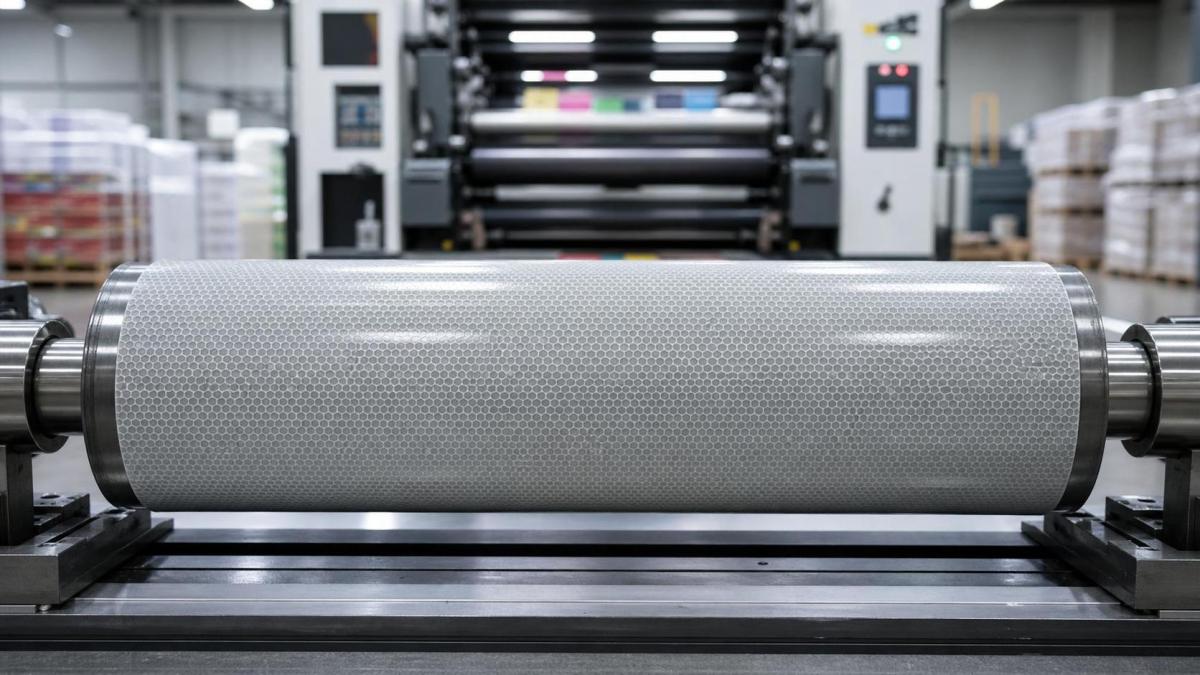
In flexographic printing, color consistency depends on many factors, including ink viscosity, plate condition, substrate quality, press speed, doctor blade performance, drying conditions, and anilox roller condition. Among these, the anilox roller is one of the most critical because it controls ink volume.
If the roller cells are damaged, clogged, uneven, or incorrectly specified, ink transfer becomes inconsistent. This can cause color variation, pinholes, dirty print, weak density, excessive ink consumption, or poor image reproduction. For converters producing packaging for food, cosmetics, pharmaceuticals, and premium consumer goods, these problems can lead to rejected batches and customer complaints.
The market is therefore moving toward more careful anilox specification and maintenance. Buyers are asking about cell geometry, line count, volume, ceramic coating, engraving technology, surface finish, and cleaning compatibility. This creates demand for suppliers that can provide not only products, but also technical guidance for different printing applications.
Sustainability Is Changing Ink and Packaging Requirements
Sustainability is another major force shaping the flexographic printing market. Brands and regulators are pushing for recyclable packaging, reduced solvent emissions, lower material waste, and safer ink systems. Water-based inks, UV inks, low-migration inks, and eco-friendly coatings are becoming more important in many packaging segments.
These changes affect anilox roller selection. Different ink systems have different flow properties, drying behavior, pigment load, and transfer requirements. A roller that performs well with one ink system may not be ideal for another. As converters adopt more sustainable inks and coatings, they need anilox rollers that can support stable transfer and efficient cleaning.
Sustainable packaging also requires waste reduction during production. Setup waste, color adjustment waste, rejected print rolls, and cleaning losses all affect environmental performance and cost. A properly specified anilox roller can help reduce these losses by improving repeatability and reducing the time needed to reach target color.
This is especially important as packaging companies face pressure from both customers and regulations. Buyers want suppliers who can support sustainability goals without sacrificing print quality. Anilox roller manufacturers that understand these evolving requirements will have stronger opportunities in the global market.
Short-Run and Customized Packaging Are Raising Precision Standards
The packaging market is becoming more fragmented. Brands are launching more product variations, seasonal designs, regional campaigns, limited editions, and personalized packaging. This trend increases the number of short and medium print runs. For converters, that means more job changes, faster setup requirements, and greater pressure to reduce waste.
In long-run production, process stability is important. In short-run production, fast and accurate setup becomes equally important. The anilox roller must help operators reach target color quickly and maintain consistent output once production begins. If the wrong roller is used, the press may require more adjustments, creating waste and reducing profitability.
Customized packaging also increases demand for higher graphic quality. Fine text, QR codes, barcodes, gradients, small logos, and detailed images require precise ink transfer. This supports demand for better engraved rollers, ceramic coatings, and accurate cell structures.
Digital printing is growing in some short-run markets, but flexographic printing remains strong because it offers high productivity, substrate versatility, and cost efficiency at scale. As flexo technology improves, it continues to compete effectively in packaging markets that require both quality and volume. Anilox roller precision is part of that improvement.
Corrugated and Label Printing Are Key Growth Segments
Corrugated packaging is one of the largest application areas for flexographic printing. E-commerce and logistics have increased demand for printed boxes, retail-ready packaging, shipping cartons, and branded corrugated displays. While some corrugated printing is simple, many brands now expect better graphics and stronger visual impact.
Anilox rollers used in corrugated printing must support consistent ink coverage on absorbent and uneven surfaces. The choice of roller volume and line screen can affect both print density and ink usage. For corrugated converters, the goal is often to achieve strong coverage without excessive ink consumption or drying problems.
Label printing is another important segment. Labels often require fine details, sharp text, barcodes, color accuracy, and high-speed production. In food, beverage, pharmaceutical, logistics, and personal care applications, label quality directly affects product identification and shelf appearance. Anilox rollers for label printing must support fine ink control and stable repeatability.
Flexible packaging also continues to grow. Films, pouches, wrappers, sachets, and laminated materials require controlled ink transfer and compatibility with different surface treatments. As flexible packaging becomes more sophisticated, anilox roller performance becomes more important for maintaining print quality.
Maintenance and Cleaning Are Becoming Market Priorities
Anilox roller performance does not depend only on initial quality. Maintenance and cleaning have a major impact on long-term performance. Over time, ink, coating, adhesive, varnish, and paper dust can build up in the roller cells. If the cells become clogged, the roller may transfer less ink than intended, causing weak color or inconsistent print.
Many converters now recognize that anilox cleaning is part of process control. Regular inspection and cleaning help maintain cell volume and print consistency. This creates demand for rollers with durable ceramic surfaces, stable engraving, and cleaning-resistant performance.
Damage prevention is also important. Improper handling, aggressive cleaning, doctor blade issues, and press misalignment can damage roller surfaces. Once the roller is scratched or worn, print quality can decline. Buyers therefore look for suppliers who can provide guidance on handling, storage, inspection, and maintenance.
The market is also seeing more interest in anilox audits and measurement. Converters want to know whether their rollers still match original specifications. This reflects a broader shift toward data-driven print management. Rather than relying only on operator experience, companies are using measurable process control to improve consistency.
Global Supply Chains Are Favoring Reliable Component Suppliers
The printing and packaging machinery supply chain has become more global. Converters may source presses, rollers, cylinders, blades, shafts, and spare parts from different countries. This creates opportunities for specialized manufacturers, but it also raises buyer expectations.
International buyers need suppliers who can provide accurate product specifications, careful packaging, reliable delivery, and responsive communication. Anilox rollers are precision components, so shipping protection and quality inspection matter. A damaged roller can delay production and create unnecessary cost.
Lead time is another important factor. Packaging converters often operate under tight production schedules. If a roller replacement is delayed, the press may not be able to run certain jobs efficiently. Suppliers that can support timely delivery and custom production have a competitive advantage.
Global buyers also compare total value rather than only price. A low-cost roller that wears quickly, transfers ink poorly, or causes repeated production issues may become expensive in practice. A reliable anilox roller can help reduce waste, improve repeatability, and protect production schedules.
Technology Development Is Reshaping Roller Expectations
Anilox roller technology continues to evolve. Ceramic coating, laser engraving, improved cell geometry, advanced polishing, and better quality control are all influencing market expectations. Buyers want rollers that can handle finer screens, stable ink volume, high-speed printing, and long service life.
Cell geometry is a key area of innovation. Different cell shapes and engraving patterns can influence ink release, cleaning performance, and transfer stability. As printing applications become more specialized, roller design must match the intended use more accurately.
High-definition flexo printing also increases precision requirements. To achieve sharper images and smoother gradients, the ink transfer system must be well controlled. The anilox roller, plate, ink, doctor blade, and substrate must work together as a complete system.
This means suppliers with technical knowledge will be more valuable. Buyers need support in choosing the correct roller for their press, ink, substrate, speed, and print target. Product expertise becomes a competitive advantage in a market where quality requirements continue to rise.
Regional Market Opportunities Are Expanding
Demand for anilox rollers is growing in regions where packaging production is expanding. Asia remains a major market due to manufacturing, consumer goods, e-commerce, food packaging, and label production. Southeast Asia is seeing growth in flexible packaging, corrugated packaging, and consumer goods supply chains. India and the Middle East also present opportunities as packaging capacity increases.
Europe and North America remain important markets for high-quality flexographic printing, especially in labels, premium packaging, food-safe packaging, and sustainable materials. Buyers in these regions often focus on precision, documentation, process stability, and environmental compliance.
Latin America and Africa offer long-term growth potential as retail, food processing, logistics, and local manufacturing develop. In these markets, converters may need durable and cost-effective rollers that can support expanding packaging demand.
For suppliers, regional differences matter. Some buyers prioritize price and delivery speed, while others focus on technical precision and long-term performance. A successful market strategy should connect product value to the buyer’s production environment and business goals.
Outlook: Anilox Rollers Will Remain Essential to Flexo Quality
The outlook for the anilox roller market is strong because flexographic printing remains one of the most important technologies in global packaging production. As packaging becomes more diverse, sustainable, brand-sensitive, and quality-driven, ink transfer control will become even more important.
Anilox rollers will continue to support key industry goals: better color consistency, lower waste, faster setup, higher print quality, and more efficient ink use. Their role is becoming more strategic because packaging converters cannot achieve stable results without precise ink metering.
For buyers, the best procurement approach is to evaluate anilox rollers based on application requirements, cell volume, line screen, engraving quality, coating durability, cleaning performance, supplier expertise, and after-sales support. The right roller can improve both print quality and production economics.
For suppliers, the opportunity is to present anilox rollers not just as spare parts, but as precision components that shape flexographic printing performance. As the packaging industry becomes more demanding, companies that combine manufacturing quality with technical guidance will be better positioned in global markets.
Related Intelligence
- CI Flexographic PressesWhat to check before choosing a flexographic presses supplierFlexographic presses supplier selection starts with the right checks. Learn how to compare print quality, speed, automation, service, and support before you buy.
- CI Flexographic PressesHow to verify a flexo press automation system is CE compliantFlexo press automation CE compliant: learn how to verify scope, risk assessment, safety functions, software logic, and FAT/SAT evidence before approving a new line or retrofit.
- CI Flexographic PressesHow CI flexographic printing affects color consistency on long runsCI flexographic printing helps long-run packaging maintain stable color, but drift can still occur. Discover the key factors that affect consistency and how to control them.
The Morning Broadsheet
Daily chemical briefings, market shifts, and peer-reviewed summaries delivered to your terminal.